
Essential Gluten-Free Pantry Staples: What You Actually Need
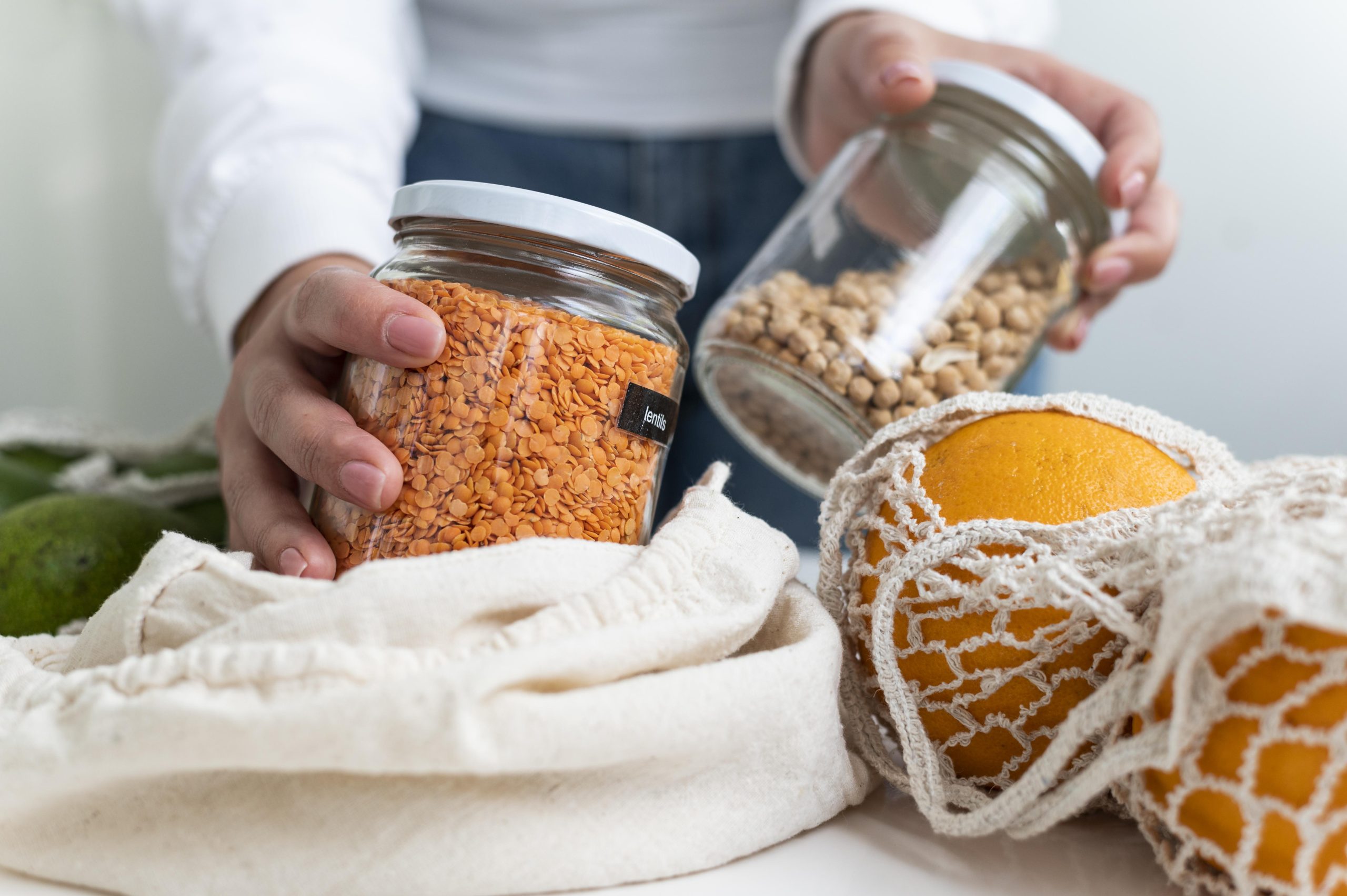
Building a gluten-free pantry can feel overwhelming when you are starting out. Walk into any health food store, and you will find dozens of specialty flours, expensive mixes, and products labeled gluten-free that you are not sure you need. The truth is that you can stock a functional gluten-free kitchen without buying everything on the shelf. Focus on versatile staples that you will actually use, and expand from there as you learn what works for your cooking style.
Start with a few reliable gluten-free flours rather than collecting every type available. White rice flour and brown rice flour are workhorses in gluten-free baking and cooking. They have mild flavors, reasonable prices, and work in most recipes either alone or blended. Keep a bag of each on hand. Almond flour is excellent for baked goods, adding moisture and protein, though it behaves differently from grain flours. Tapioca starch, also called tapioca flour, is essential for providing structure and chewiness in gluten-free baking. Potato starch is another useful starch that adds lightness to baked goods. With these five flours, you can make most gluten-free recipes successfully.
Xanthan gum or guar gum is necessary for most gluten-free baking because it replaces the binding properties that gluten normally provides. Without it, your baked goods may crumble or fall apart. A little goes a long way, usually just a quarter or half teaspoon per cup of flour, so one small container lasts months. Some people skip this ingredient because of cost or digestive sensitivity, but if you plan to do any baking, having one of these gums makes a significant difference in texture.
Whole grains like quinoa, brown rice, and rolled oats give you options beyond flour. Make sure your oats are certified gluten-free, as regular oats are often contaminated during processing. These grains work for breakfast, as side dishes, and adding to soups or salads. Stock both white rice and brown rice since they cook at different speeds and have different textures. Quinoa cooks quickly and provides complete protein. Having a variety of whole grains prevents your meals from becoming repetitive and gives you flexibility when planning menus.
Your pantry also needs gluten-free versions of everyday items that normally contain gluten. Check your soy sauce and replace it with tamari or coconut aminos, which are naturally gluten-free. Many regular soy sauces contain wheat. Stock gluten-free pasta in a few shapes so you can make quick meals without special planning. Keep gluten-free oats for breakfast and baking. Have a package of gluten-free breadcrumbs or make your own from gluten-free bread for coating foods or adding to recipes. These substitutions let you make familiar dishes without completely changing how you cook.
Finally, do not forget about naturally gluten-free foods that should form the foundation of your diet. Beans, lentils, nuts, seeds, and nut butters are all naturally gluten-free and packed with nutrition. Canned tomatoes, broths, and coconut milk are pantry staples for cooking. Spices and dried herbs add flavor without gluten. Focus on building your pantry around whole foods first, and treat the specialty gluten-free products as convenient additions rather than the foundation. This approach is healthier, more affordable, and gives you a solid base for cooking varied and satisfying meals without gluten.