
Ancient Grains for Gluten-Free Cooking: Quinoa, Amaranth, and More
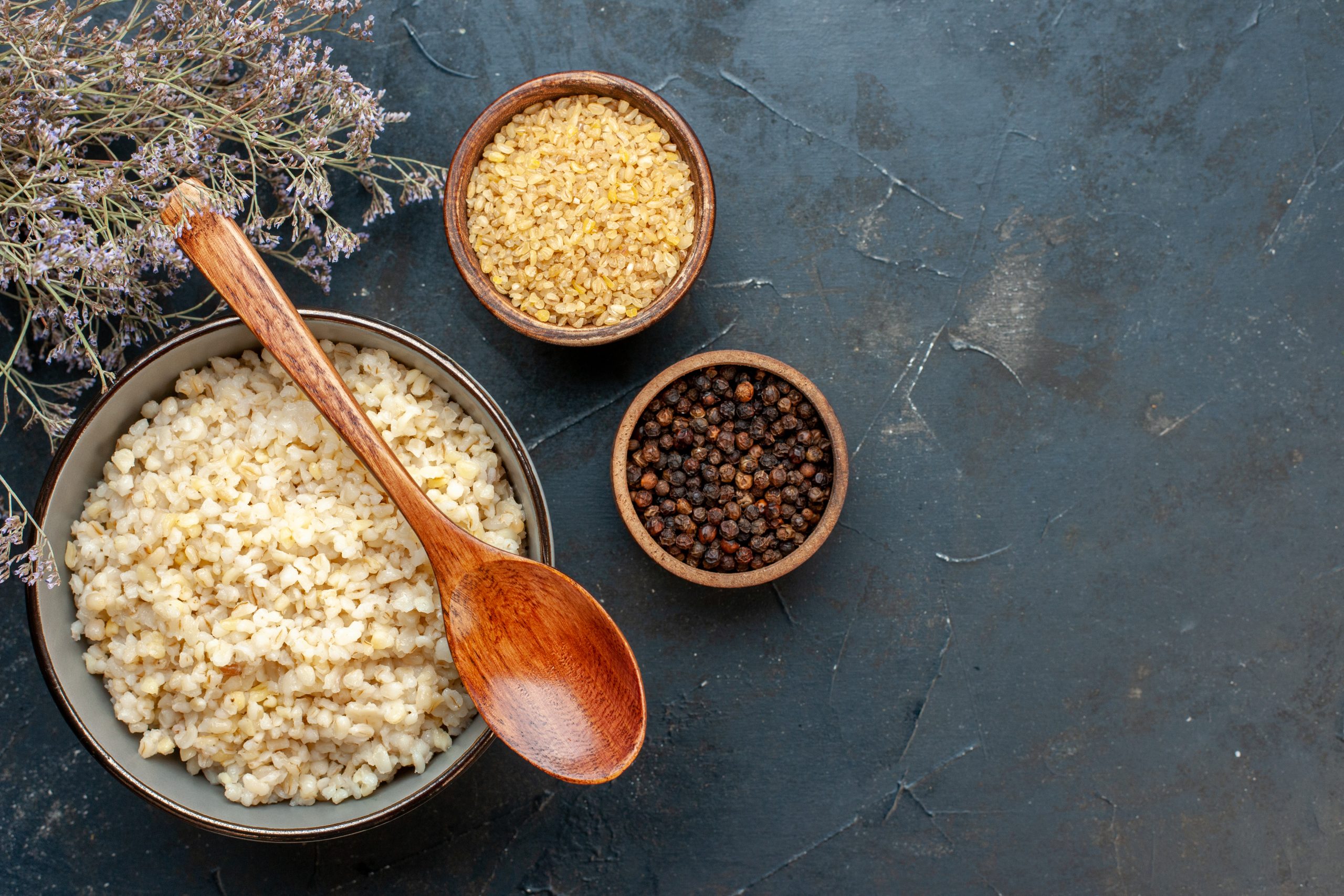
When you first go gluten-free, it can feel like you have lost most of your grain options. Wheat, barley, and rye are suddenly off the table, and you might wonder what is left besides rice and corn. The good news is that ancient grains offer a world of variety, nutrition, and flavor that many people have never explored before their dietary shift. These grains have been cultivated for thousands of years, and they bring both versatility and significant health benefits to your kitchen.
Quinoa is probably the most well-known ancient grain in the gluten-free community, and for good reason. Technically a seed rather than a grain, quinoa cooks quickly and works in both sweet and savory dishes. It contains all nine essential amino acids, making it a complete protein, which is rare in the plant world. You can use quinoa as a breakfast porridge, a base for grain bowls, a substitute for rice in stir fries, or even in baked goods when ground into flour. The key to good quinoa is rinsing it thoroughly before cooking to remove the natural coating that can taste bitter.
Amaranth is another ancient grain that deserves more attention. Like quinoa, amaranth is actually a seed, and it was a staple food for the Aztecs. It has a slightly nutty, earthy flavor and becomes creamy when cooked, which makes it perfect for porridge or polenta-style dishes. Amaranth is high in protein, fiber, and minerals like iron and magnesium. You can also pop amaranth like popcorn for a crunchy topping on salads or yogurt. When using amaranth flour in baking, it works best combined with other flours since it has a strong flavor and dense texture on its own.
Millet is often overlooked but incredibly useful in gluten-free cooking. It has a mild, slightly sweet flavor that works well in both savory and sweet applications. Millet can be cooked fluffy like rice or creamy like mashed potatoes, depending on how much water you use. It makes excellent breakfast porridge, works as a side dish similar to couscous, and can be ground into flour for baking. Millet is also one of the more affordable ancient grains, which helps when you are managing a gluten-free budget.
Teff is the tiny grain used to make Ethiopian injera bread, and it packs serious nutritional value into its small size. Teff is high in iron, calcium, and resistant starch, which supports gut health and blood sugar control. It has a slightly sweet, molasses-like flavor. You can cook whole teff as a hot cereal or porridge, use teff flour in pancakes and baked goods, or even add it to soups and stews as a thickener because the grains are so small, teff cooks quickly, usually in about 20 minutes.
Adding ancient grains to your gluten-free pantry gives you more options and better nutrition. Each grain brings different flavors and textures, which prevents your meals from becoming repetitive. Start with one or two that sound appealing, experiment with simple preparations, and gradually expand your collection. These grains have sustained civilizations for millennia, and they can absolutely sustain your gluten-free kitchen with variety and nourishment.